Advertisement
AI virtual assistants reach a higher level of intellectual ability than traditional chatbots. Virtual assistants exhibit ability to interpret sophisticated inquiries and build personal relationships by extracting information from dialogues. AI assistants show better performance than chatbots since they learn user needs automatically through intelligent problem-solving. These systems excel in task management as well as accurate response generation and effective delivery of human-like assistance.
The initial appearance of AI virtual assistants and chatbots makes them appear equivalent to one another. The two systems work through text messages as well as voice chat to give users assistance. Both systems differ remarkably in their operational functionality. The characteristics which distinguish AI virtual assistants from other systems include:
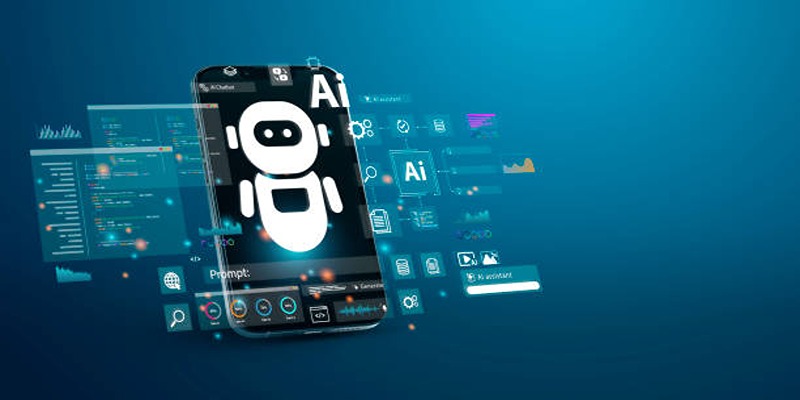
Chatbots are programmed with pre-defined scripts to handle specific commands. While they may work for simple and predictable queries like “What are your hours of operation?” or “What’s the weather today?”, they struggle when faced with complex questions or multi-layered interactions.
AI virtual assistants, on the other hand, leverage advanced natural language processing (NLP) and machine learning. They understand context, tone, and the nuances of language. For example, ask a chatbot, “Should I bring an umbrella?” and it might respond with confusion. An AI virtual assistant, however, could combine weather data and contextual cues to provide a thoughtful reply: “Yes, it’s expected to rain this afternoon in your location.”
Chatbots typically follow linear conversations. Each response from a chatbot demands a single follow-up query and a single response. If you interrupt the flow or switch topics, many chatbots fail to adapt.
AI virtual assistants excel at handling multi-turn conversations and performing multiple tasks simultaneously. For instance, they can set up a meeting in your calendar, respond to a follow-up email, and check for available time slots in a co-worker’s schedule—all in one interaction.
Traditional chatbots rely on rule-based algorithms. Once deployed, their intelligence remains static unless manually updated. AI virtual assistants, however, use machine learning to constantly improve. They learn from user interactions, adapt to changing preferences, and refine their responses over time.
This continuous evolution ensures that AI virtual assistants remain accurate, efficient, and relevant, saving businesses the need to rewrite scripts for every new situation.
While chatbots typically integrate with a single platform or database, AI virtual assistants work seamlessly across multiple systems and platforms. For instance, they integrate with CRM tools, cloud storage, internal databases, and communication platforms like Slack or Microsoft Teams.
This deep integration allows AI virtual assistants to pull relevant data, make real-time decisions, and act as a hub for enterprise solutions.
Chatbots are limited to scripted replies that may come across as robotic or awkward if an unexpected query pops up. AI virtual assistants can mimic human-like conversations, complete with personalized greetings and a natural flow of dialogue.
Using NLP and sentiment analysis, AI virtual assistants interpret the emotional undertone behind messages, enabling them to respond with empathy or escalate serious issues to a human team member when necessary.
The versatility of AI virtual assistants makes them valuable in a wide array of industries. Here are a few examples of how they deliver smarter solutions across different domains:
AI virtual assistants redefine customer support by offering 24/7 availability and more personalized experiences. They can resolve complex queries, assist with troubleshooting, and even recommend products based on past interactions. This reduces the burden on human agents while improving service quality.
Example: An e-commerce brand uses an AI virtual assistant to answer questions about orders, track shipments, process returns, and recommend new products based on customer preferences.
From onboarding to employee engagement, AI virtual assistants streamline HR processes. They handle repetitive tasks like answering queries about company policies, scheduling interviews, processing leave requests, and conducting feedback surveys.
Example: A multinational company relies on an AI virtual assistant to coordinate interview schedules across different time zones, saving time and effort for its HR team.
AI virtual assistants assist patients in managing their health by answering medical questions, scheduling appointments, sending prescription reminders, and even offering mental health support.
Example: A healthcare provider integrates an AI virtual assistant into its patient portal to guide users through their insurance coverage, upcoming appointments, and lab results.
AI virtual assistants simplify financial management by offering tailored advice, reminders, and fraud alerts. Unlike chatbots, they process complex inquiries, such as analyzing spending habits or offering investment suggestions.
Example: A financial app’s AI virtual assistant helps users create custom budgets, track expenses, and identify savings opportunities.
For businesses aiming to enhance efficiency, improve customer experience, and stay competitive, AI virtual assistants are becoming a vital tool. Here’s why:

AI virtual assistants are not without their challenges and limitations. Some of the key ones include:
The future of AI virtual assistants in customer service is certainly promising. With advancements in technology and natural language processing, these assistants will continue to improve and offer more personalized and accurate interactions with customers.
In the near future, we can expect to see AI virtual assistants being integrated into various aspects of customer service, including phone support, chatbots, and even social media messaging. This will allow businesses to provide round-the-clock support for their customers without having to rely on human agents.
AI virtual assistants are revolutionizing the way businesses interact with their customers. With their ability to process large amounts of data and respond in a conversational manner, they offer a more efficient and effective way for businesses to provide customer service. As technology continues to advance, we can expect to see even more sophisticated AI virtual assistants being integrated into various industries and becoming an integral part of our daily lives.
Advertisement

Explore how AI voice assistants are revolutionizing enterprises by enhancing efficiency, improving service delivery, and fostering innovation for a smarter future.

Discover how AI virtual assistants revolutionize customer service by delivering efficient, data-driven, and conversational support for businesses.

Discover how Pfizer and Vyasa leverage AI to revolutionize drug discovery, optimize patient care, and advance personalized medicine.
Learn how to address key chatbot challenges, enhance user experiences, and ensure ethical AI with practical strategies.
Discover the top 12 RPA software vendors, their unique features, and how to choose the best robotic process automation solution for your business success.

Discover how AI is transforming retail with personalized experiences, efficiency, and sustainable innovations for a competitive edge.

Explore how AI and blockchain are transforming financial services, driving efficiency, innovation, and competitive advantage with ethical adoption at its core.

Discover how specialized AI tools outperform general AI by focusing on precision and purpose.

Explore how neural networks transform business through automation and data insights.

Discover how collaborative robots (cobots) are transforming industries with enhanced safety, efficiency, and seamless human-robot collaboration.

Discover how AI revolutionizes gaming with personalized experiences, dynamic content, and immersive VR/AR environments.
Explore how AI is redefining hospitality with innovation, enhancing travel and guest experiences.